Turn Knowledge Into Competitive Advantage
Front-line insights on how the most advanced organizations manage, structure and activate their institutional knowledge.
Explore by Topic

Latest Articles

org-intelligence
More Information Is Not More Intelligence
Every serious organization today has access to more data than it can use. The question worth asking is whether any of it is making the company smarter — or just busier.

leadership
Execution Problems Are Rarely Just Execution Problems
When organizations repeatedly fail to execute on their strategies, the temptation is to look for operational fixes. The real diagnosis is usually organizational — and much harder to face.

knowledge
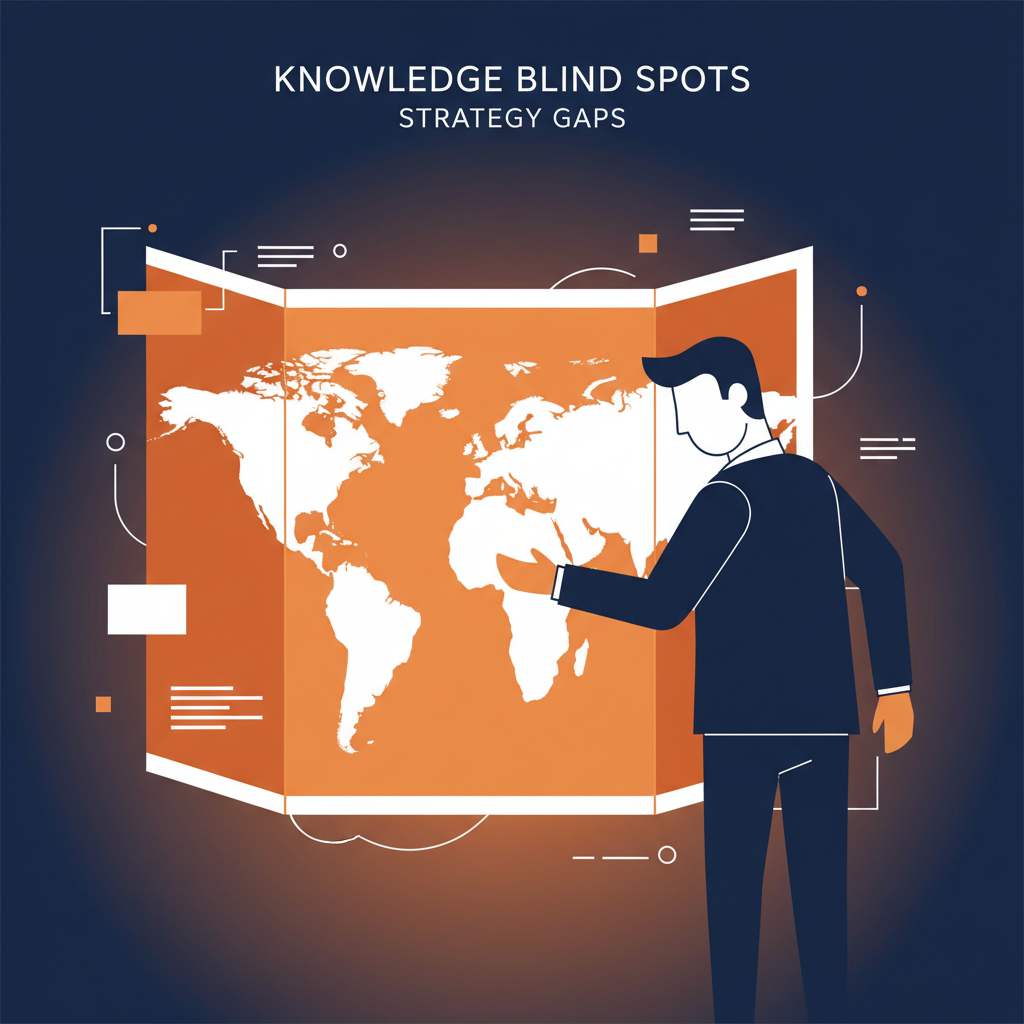
The Risk of Running a Company on Individual Memory
Most companies run on knowledge that exists nowhere in writing. It lives in the minds of a small number of people — and that concentration is a structural risk most boards have never formally evaluated.
knowledge
The CEO Agenda Behind Organizational Intelligence
Organizational intelligence is not a technology initiative or an HR program. It is a CEO-level concern — one that determines whether a company compounds its advantages over time or quietly dissipates them.
onboarding
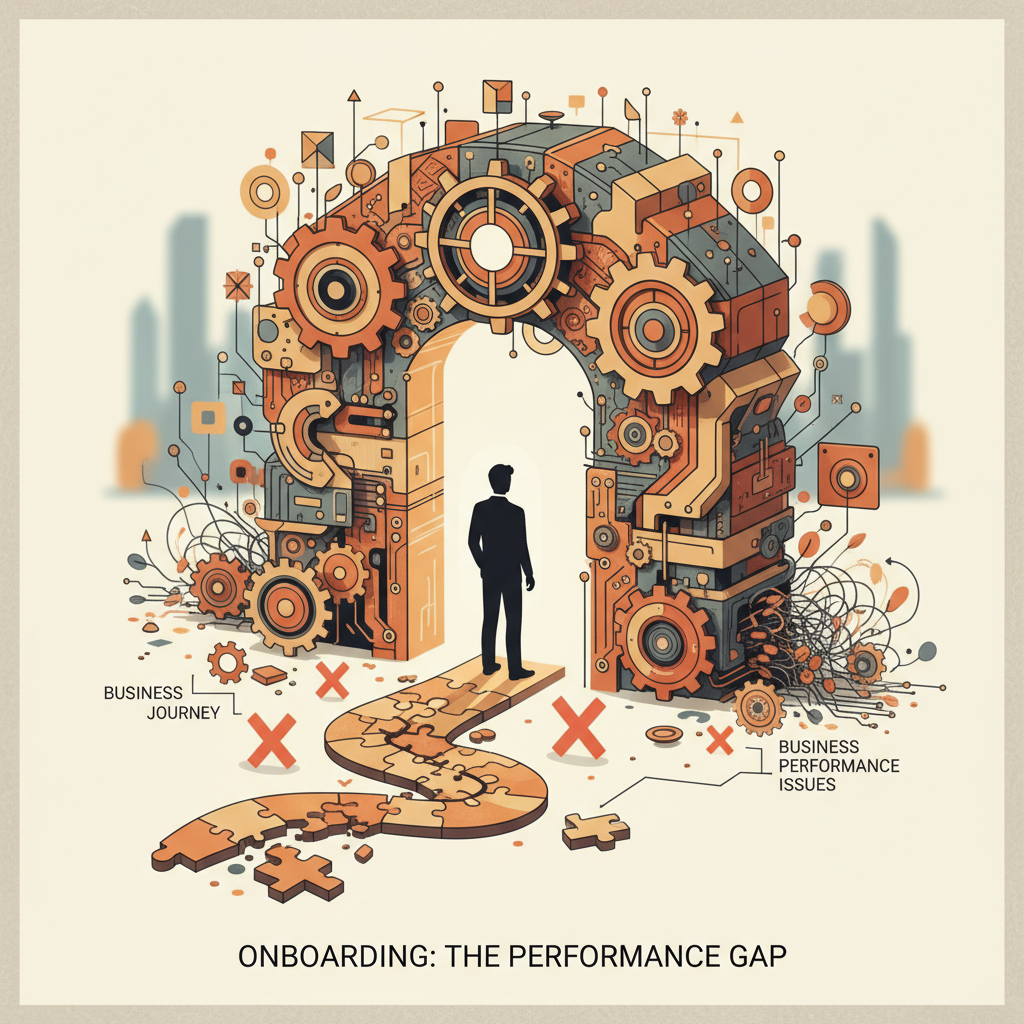
Onboarding Is Not an HR Checklist
The way organizations bring people in determines how much of what they invested in hiring actually materializes into performance. Most companies get this wrong — not through bad intentions, but through misclassification.
leadership
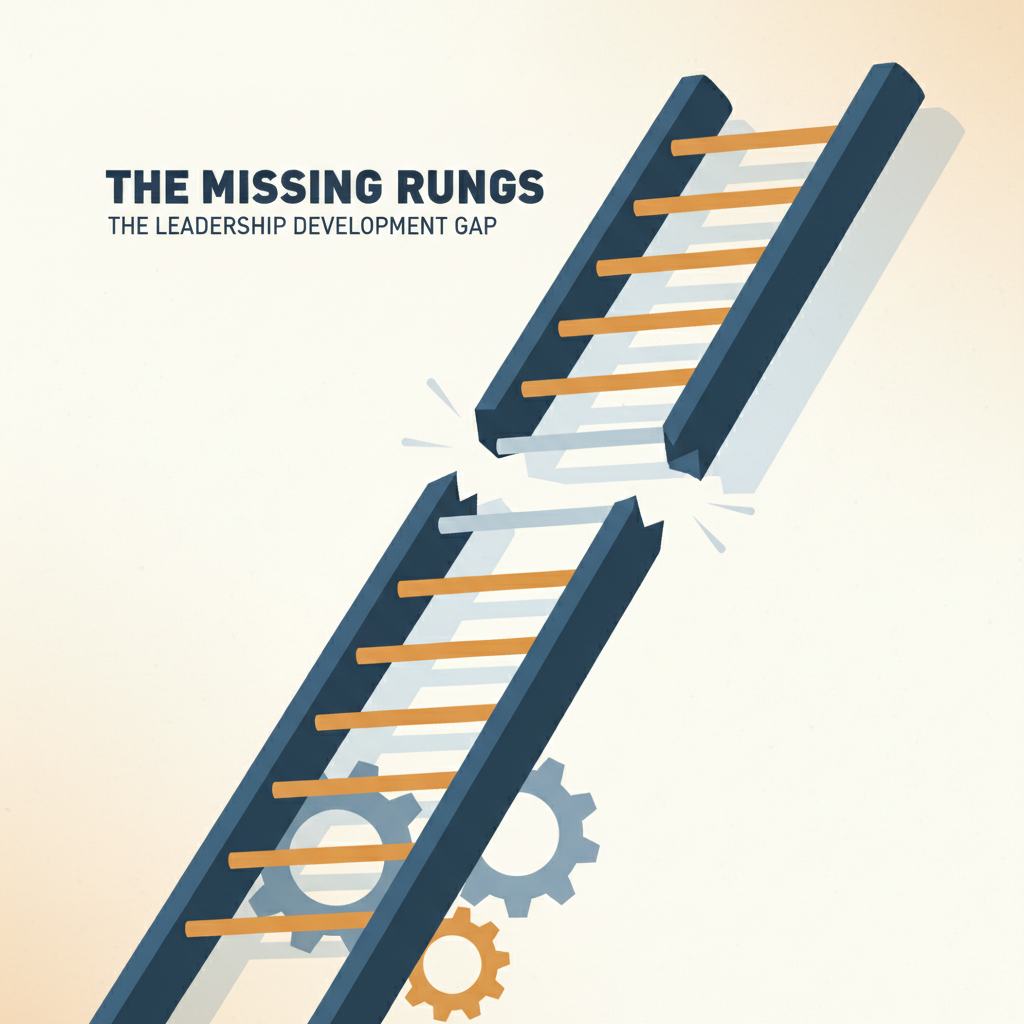
The Leadership Development Gap Most Companies Ignore
Companies invest in leadership training. They assess individual competencies. What they rarely build is the organizational capacity that makes leadership actually work at scale.
team
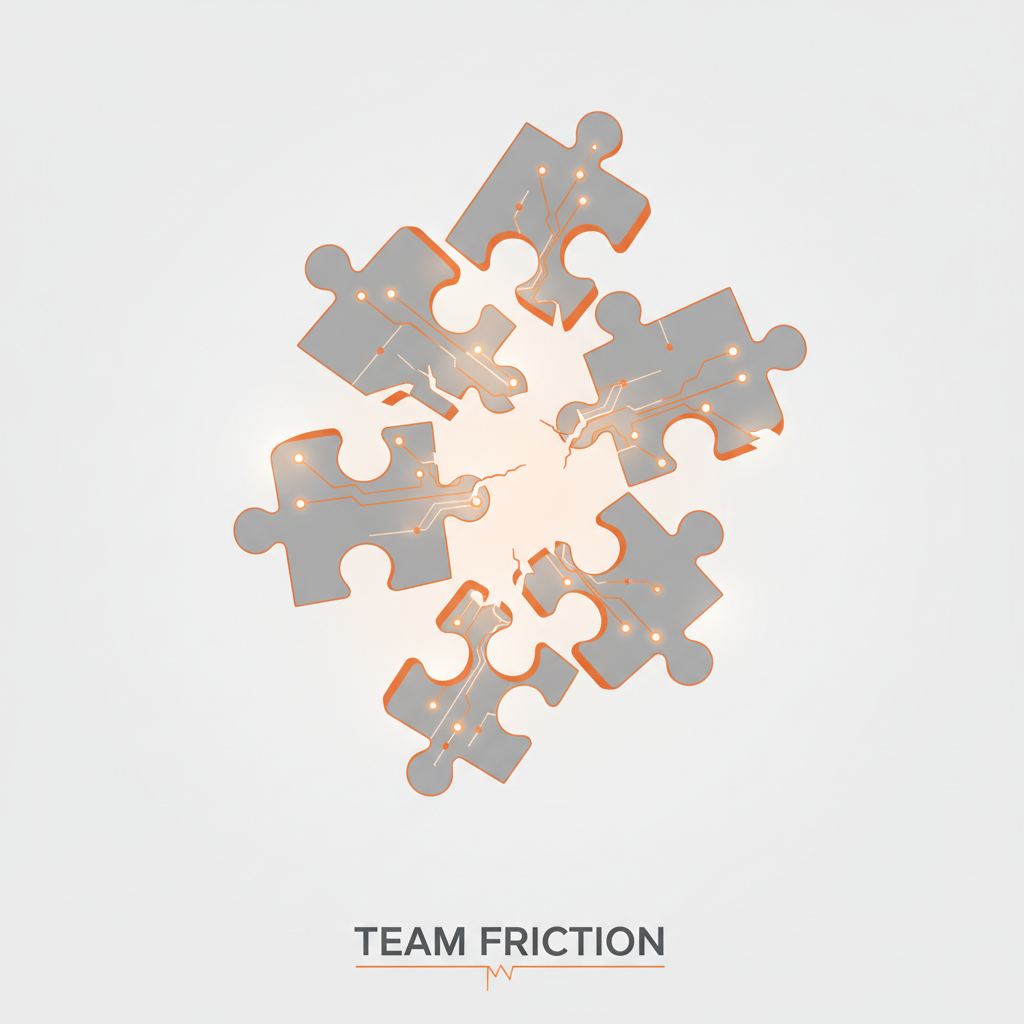
Why Talented Teams Still Struggle
When a high-performing team underdelivers, the instinct is to examine individuals. The more productive diagnosis is almost always about the system they operate in — not the people within it.
ai
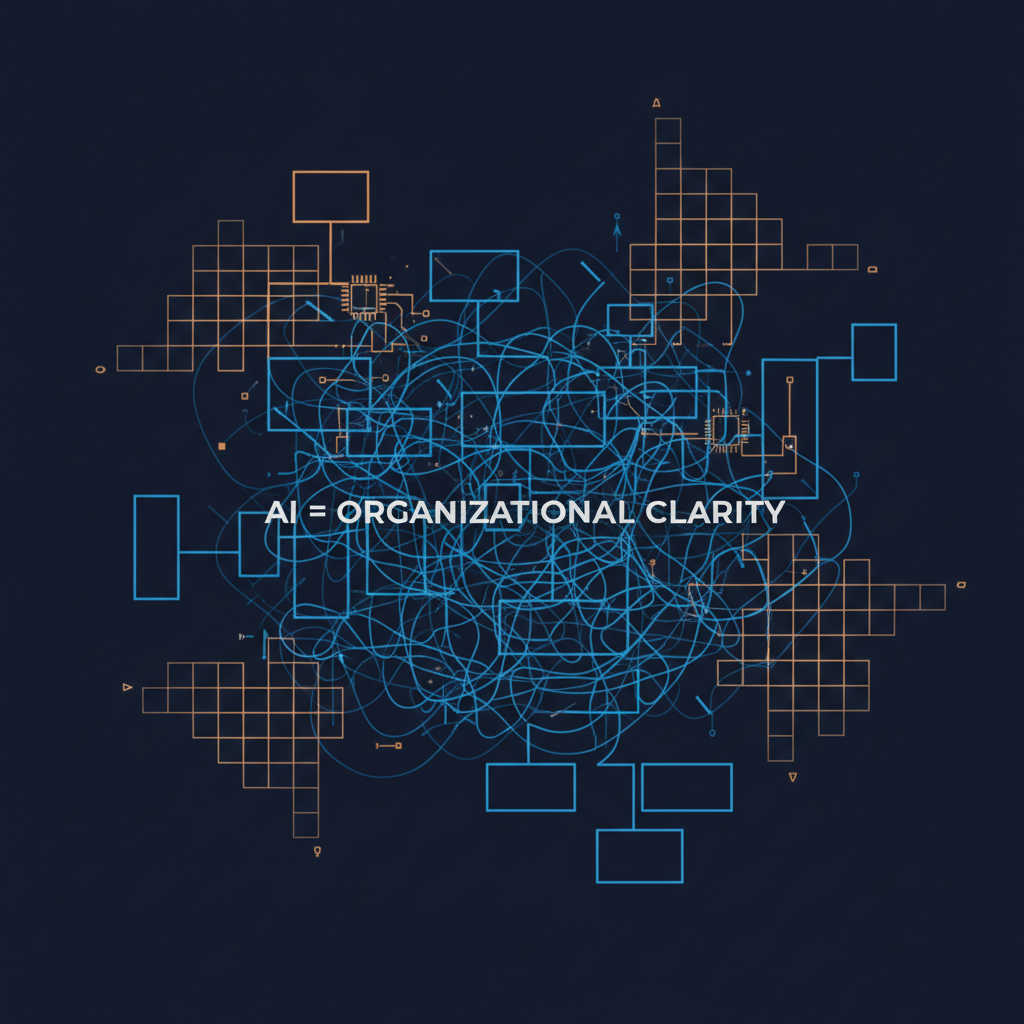
AI Does Not Fix Organizational Confusion
Every technology wave produces the same organizational fantasy: that the right tool will resolve the underlying problems that were never really about tools. AI is the latest version of this pattern — and the stakes are higher.

org-intelligence
The Next Frontier of Organizational Learning
Individual training has dominated the organizational learning conversation for decades. The frontier that most companies haven't crossed is learning at the organizational level — where knowledge stops being personal and starts compounding.
talent
Recruitment Starts Too Late
The moment a vacancy opens is the wrong moment to begin thinking about talent. By then, the organization is already reacting — and reactive talent decisions carry costs that compound over years.

talent
Busy Is Not the Same as Capable
Most organizations are full of activity. Far fewer are building the underlying capabilities that make activity translate into durable competitive advantage. The gap between the two is one of the most consequential in business.

knowledge
The Company That Keeps Starting From Zero
There is a form of organizational amnesia that has no dramatic moment of onset. It accumulates over years, one departure at a time, until the company finds itself reliably relearning what it has already paid to learn.
readiness
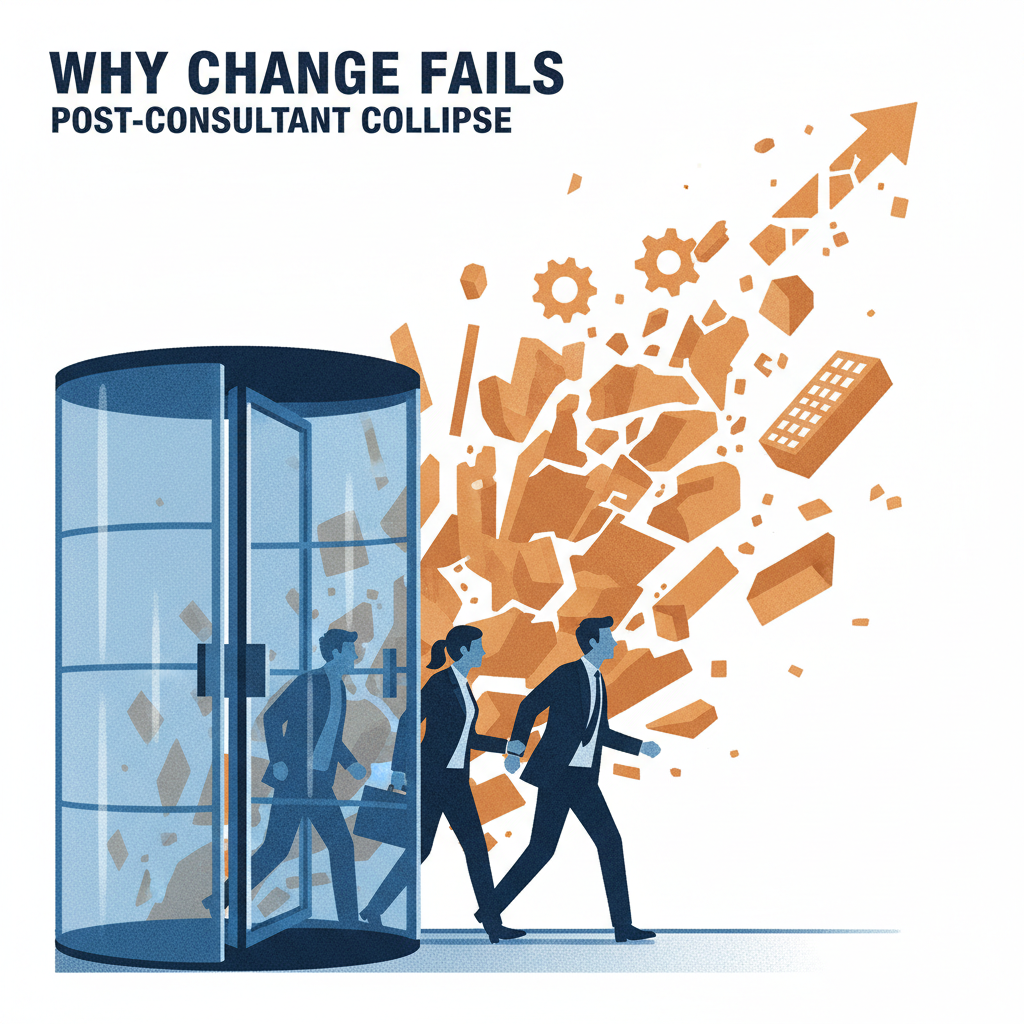
Why Transformation Fades After the Consultants Leave
Organizations spend heavily on transformation. Most of what gets built during those engagements quietly degrades within two years of the external support ending. The reason is rarely the quality of the work.

org-intelligence
Organizational Intelligence as a CEO Agenda
The organizations that build durable competitive advantages share a characteristic that rarely appears in strategy frameworks: they treat organizational intelligence as a strategic priority, not as a management support function.

Ana I. Palma
Founder, Professional Moments
18 years working with organizations across 2 continents to build the systems that turn tacit knowledge into operational infrastructure.
Learn more about AnaIntelligence Straight to Your Inbox
Weekly analysis on knowledge systems, organizational leadership and AI applied to operations.
No spam. Only insights worth your time.
Usamos cookies para mejorar tu experiencia. Al continuar navegando, aceptas nuestra Política de Privacidad.