The corporate leadership development industry is large, well-funded, and, by most serious measures, modestly effective. Companies spend billions annually on programs, assessments, coaching, and development frameworks. The individuals who go through these programs often return with genuine insights and sharpened self-awareness. And then they go back to the organizations that sent them — and discover that the environment has not changed in any way that makes their development actionable.
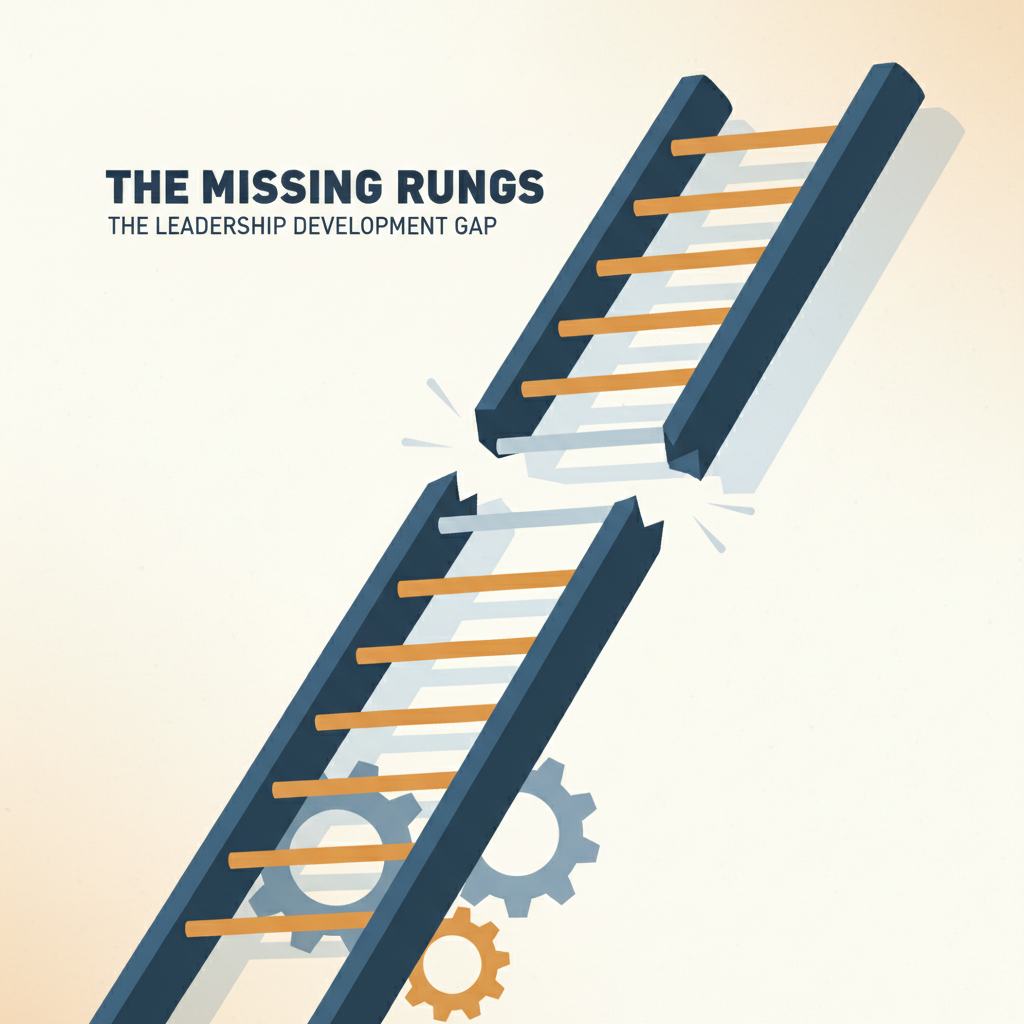
This is the central gap that most leadership investment misses: it focuses on the individual and leaves the organizational system untouched. Leadership capability, treated as a personal attribute, is then expected to generate organizational results — without any corresponding change in the structures, norms, incentives, and authority relationships that actually govern behavior.
The result is a gap that is expensive in two directions. First, development investments that don't transfer into performance because the organizational conditions don't support the behaviors being developed. Second, capable individuals who, over time, either adapt downward to the organizational system or leave for environments where their capability finds better expression. Both outcomes represent a significant return on investment problem that rarely gets traced back to its actual source.
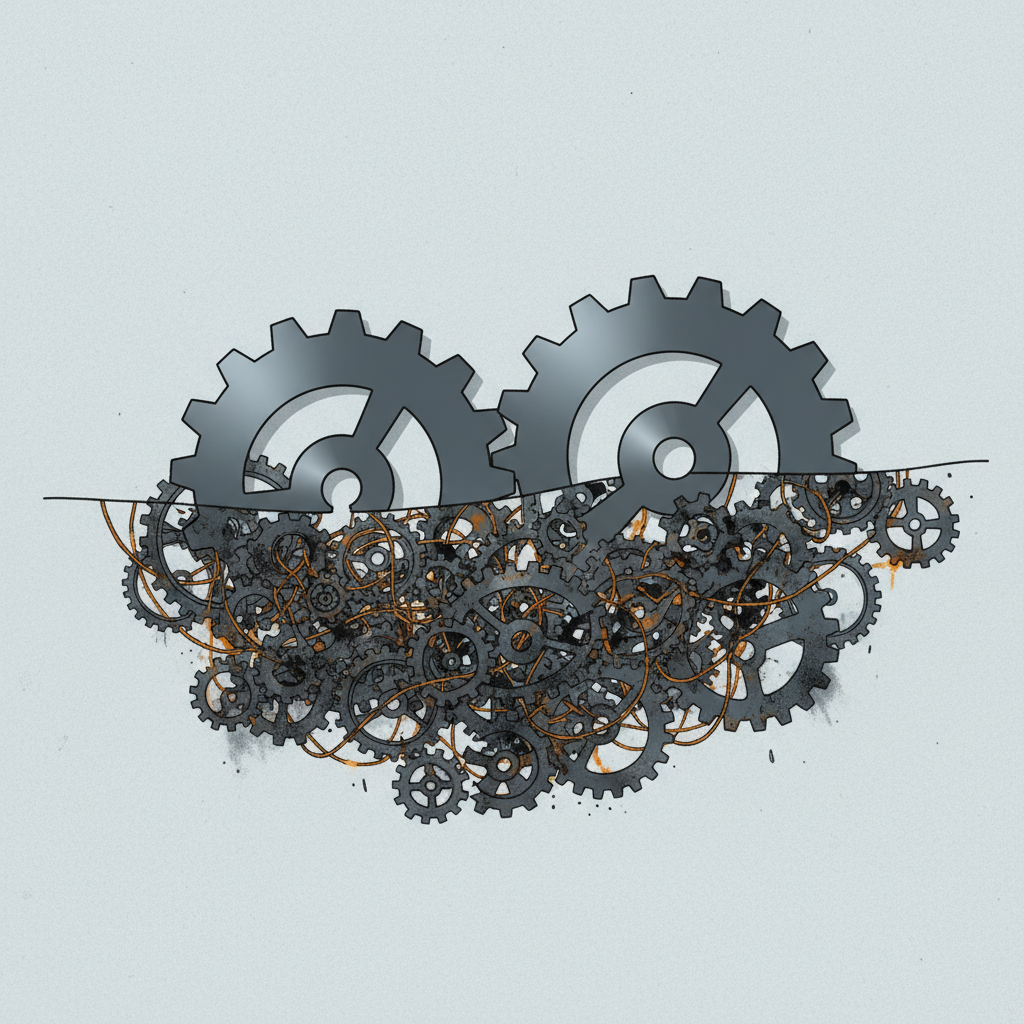
What organizations tend to overlook is that leadership functions as a system, not as a collection of individual competencies. A company can have individually strong leaders at multiple levels and still have weak organizational leadership — because the system that connects them, aligns them, and allows collective judgment to operate is either absent or poorly designed. In those conditions, individual leadership quality becomes inconsistent: high in some pockets, invisible in others, and unable to produce coherent direction at scale.
The analogy is a musical ensemble. Individual virtuosity matters. But a collection of talented soloists who have never developed the shared language, listening skills, and coordination capacity to play together will not produce a great performance. The capability resides not in the sum of individual skills but in the quality of the ensemble as a working system. Organizations that develop leadership as a collective capacity rather than an individual attribute build something fundamentally different — and functionally superior.
The practical implication is that leadership development investments deserve a different evaluation frame. The right question is not "did this individual develop?" but "is the organization more capable of leading itself after this investment?" The answer requires looking at what changed in the system — how decisions are made, how authority is exercised, how conflict is navigated, how strategy is translated into action at every level — not just at the individual's self-reported growth.
Companies that close this gap do so by treating leadership development as organizational development. The distinction sounds subtle. The operational difference is significant.