Growth is supposed to make organizations stronger. But there is a particular kind of fragility that appears precisely when companies succeed — one that most leadership teams don't see until it's too late.
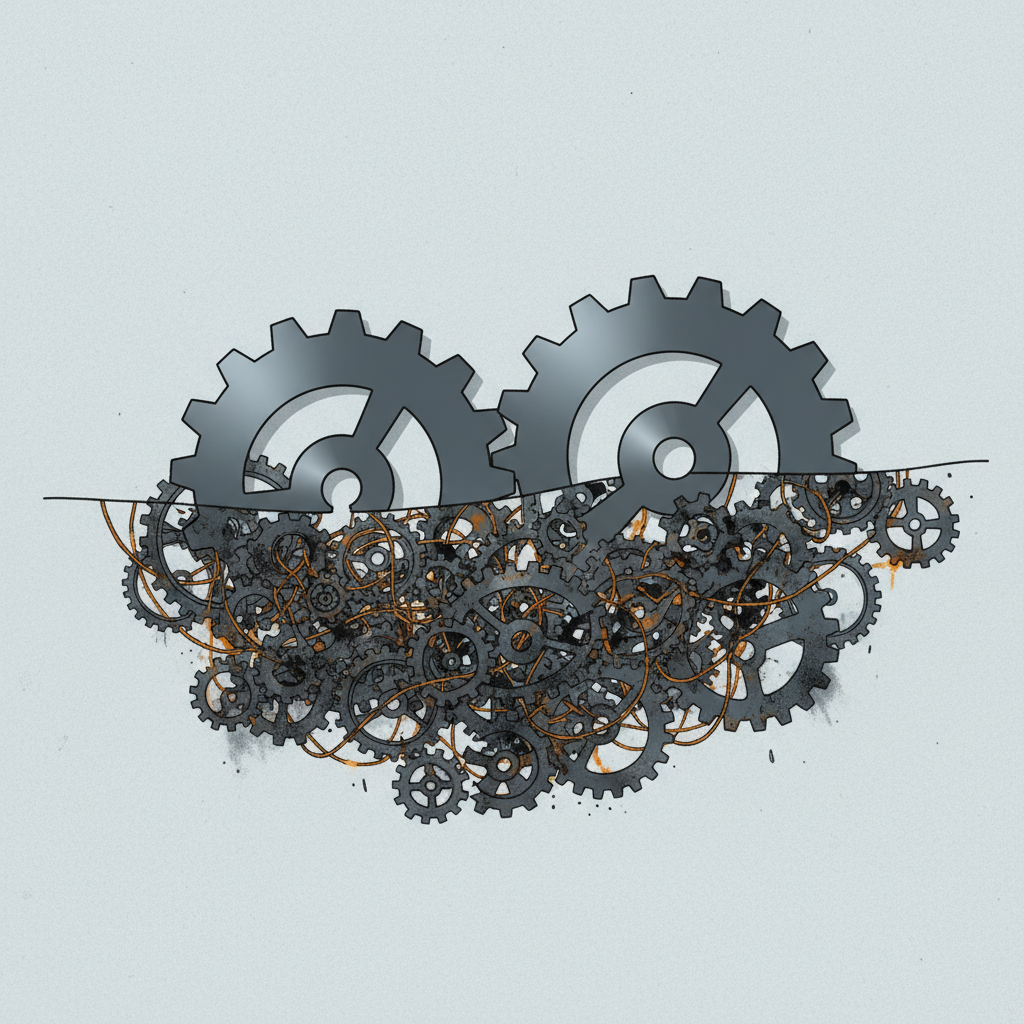
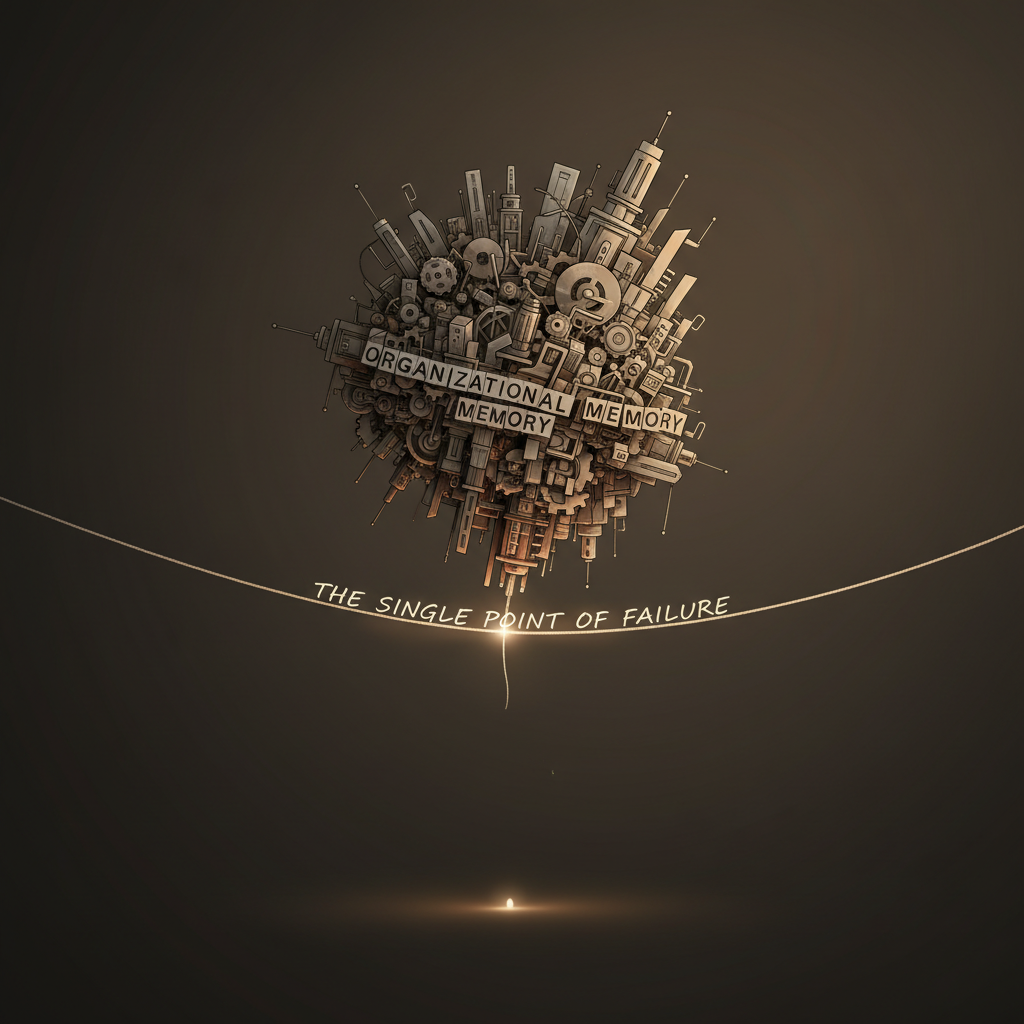
The paradox works like this: as companies scale, they hire more people, open more markets, build more processes, and generate more activity. On the surface, the organization looks more capable than ever. But underneath, something is quietly eroding. The knowledge that made the company work — the contextual intelligence about customers, decisions, relationships, and operating logic — is becoming more dispersed, less retrievable, and increasingly dependent on a handful of individuals who happen to carry it in their heads.
This is not primarily a technology problem. Companies have more data, more dashboards, and more documentation than at any point in history. What they often lack is something more valuable: the accumulated understanding of why things work the way they do, and what to do when the unexpected happens.
Think of it this way. When a company is small, institutional memory is naturally distributed. The founding team knows the clients, the constraints, the reasoning behind decisions. As the organization grows, those individuals become managers and then executives — and the knowledge they carry doesn't automatically transfer to the people who now need it most. It stays private, stored in relationships, routines, and mental models that were never designed to be shared at scale.
A useful analogy is coral reefs. They grow through accumulation — each generation building on what the previous one deposited. But reefs are also extraordinarily fragile. Raise the water temperature by two degrees and decades of structure can bleach and collapse within months. Organizations face a similar vulnerability. The accumulated intelligence beneath the surface is far more delicate than the visible structures above it.
The consequence is rarely sudden. It shows up gradually: a sales team that keeps relearning lessons the company already learned three years ago; a new market entry that mirrors mistakes from a previous one because the people who managed it have since left; a strategic decision that lacks the depth it would have had if the right institutional memory had been in the room. Each individual instance seems manageable. Together, they represent a significant competitive disadvantage.
For leadership teams, the honest question is not whether this erosion is happening — in most organizations, it is — but how much it is costing, and how much of that cost remains invisible because it shows up not as a line item but as missed opportunities, slower execution, and decisions made with less precision than they should be.
The organizations that manage this well don't do so by building bigger knowledge bases. They do it by treating organizational intelligence as a strategic priority rather than an administrative function. That distinction changes everything about how they hire, how they structure transitions, and how they think about the real cost of losing experienced people.
The question worth asking isn't "do we have a knowledge management system?" It's "does the organization know what it knows — and can it act on it when it matters?"
That is a harder question. And for most companies that have scaled past a certain threshold, the honest answer is: not as well as they think.