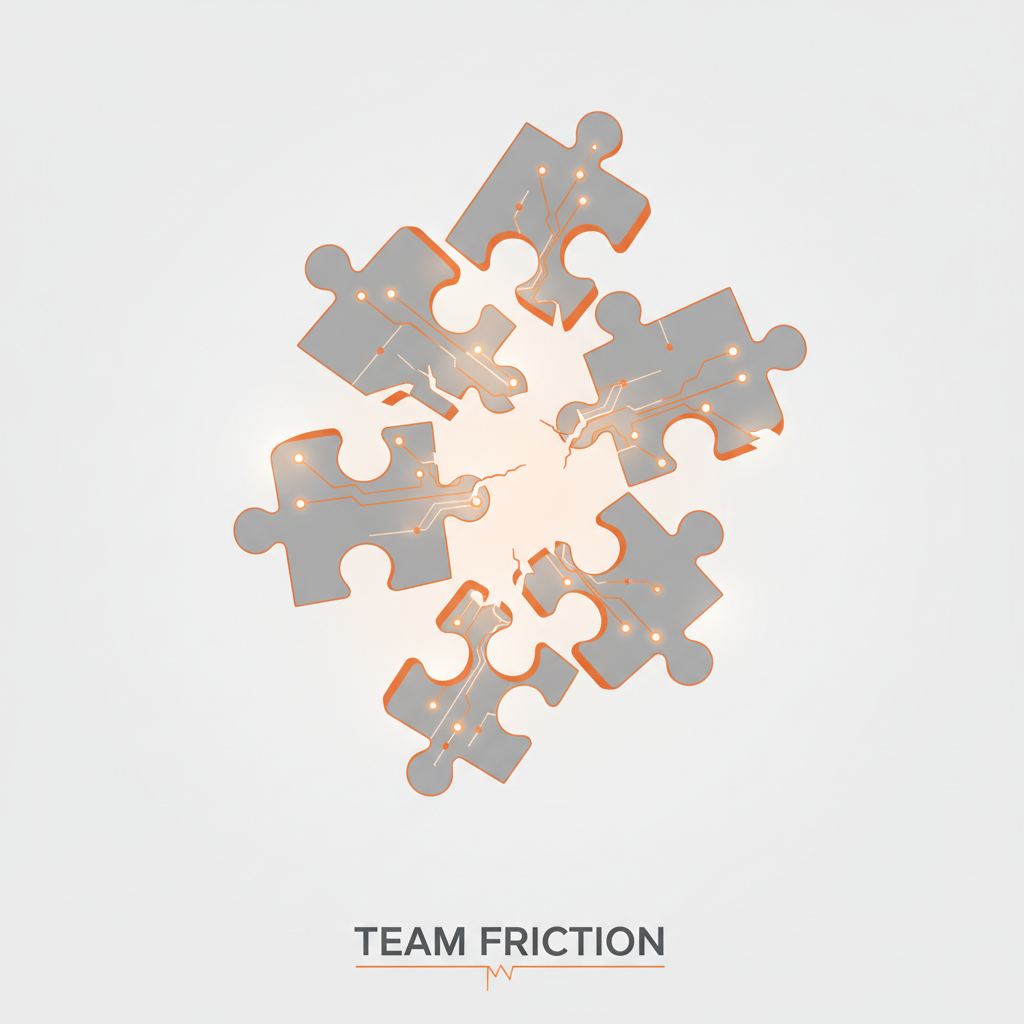
The hiring process is designed to select for talent. The performance review process is designed to evaluate it. But between selection and evaluation, something often goes wrong that neither process is designed to detect: the team itself — assembled from individually capable people — is not functioning as a capable team.
This is one of the more frustrating experiences in organizational life. A leadership team brings in strong people. The individual assessments are positive. The credentials are right. And yet the collective performance consistently disappoints — decisions take too long, alignment breaks down at critical moments, and the group produces outcomes that none of its members would individually endorse as their best work.
The temptation is to explain this through individual failure: someone isn't performing, someone's style is creating friction, someone needs to be replaced. And sometimes those diagnoses are accurate. But they often serve as a convenient substitute for a more structural examination — one that asks whether the conditions in which these people are operating are actually designed for collective performance, or whether they inadvertently reward individual positioning at the expense of team outcomes.
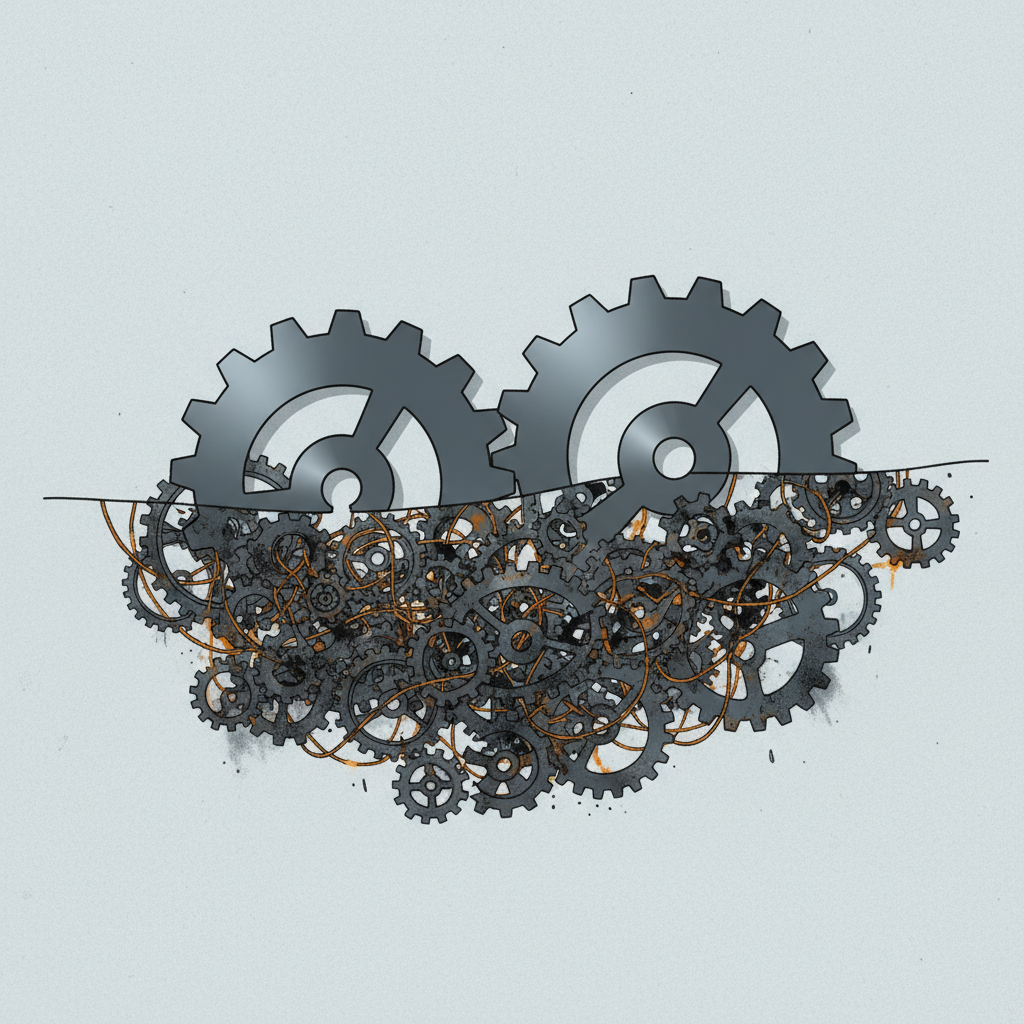
Teams underperform for structural reasons more often than for talent reasons. Authority is ambiguous, so people default to protecting their own domain. Decision rights overlap, creating coordination friction that absorbs time and attention that should go to work. Performance incentives are individually structured in ways that make collaboration a secondary consideration. Information flows are siloed so that the people who need to integrate perspectives for good decisions don't have access to each other's context. These are design problems. And they are nearly invisible when the analytical lens stays fixed on individual capability.
There's a useful frame from materials science. Composites — materials engineered by combining two or more components — can achieve properties that none of their individual ingredients possess. Carbon fiber reinforced with resin is stronger and lighter than either material alone. But the composite only works if the bonding between materials is designed correctly. Get the interface wrong, and the components don't reinforce each other — they fail at the seam. Teams work exactly the same way. The value of combining talented individuals depends entirely on the quality of the interface between them: the shared understanding, the coordination norms, the mutual accountability structures, and the clarity about how their respective contributions are supposed to create something that none of them could produce alone.
Building that interface is not a natural consequence of putting capable people in a room together. It is a deliberate organizational act — and it is one that most companies systematically underinvest in relative to the investment they make in the individual talent they're trying to combine.
The organizations that build genuinely high-performing teams don't do so by accident or by virtue of exceptional individual hiring. They do it by treating team design as a substantive leadership responsibility — one that requires as much intentionality as the selection of the people who compose it.